
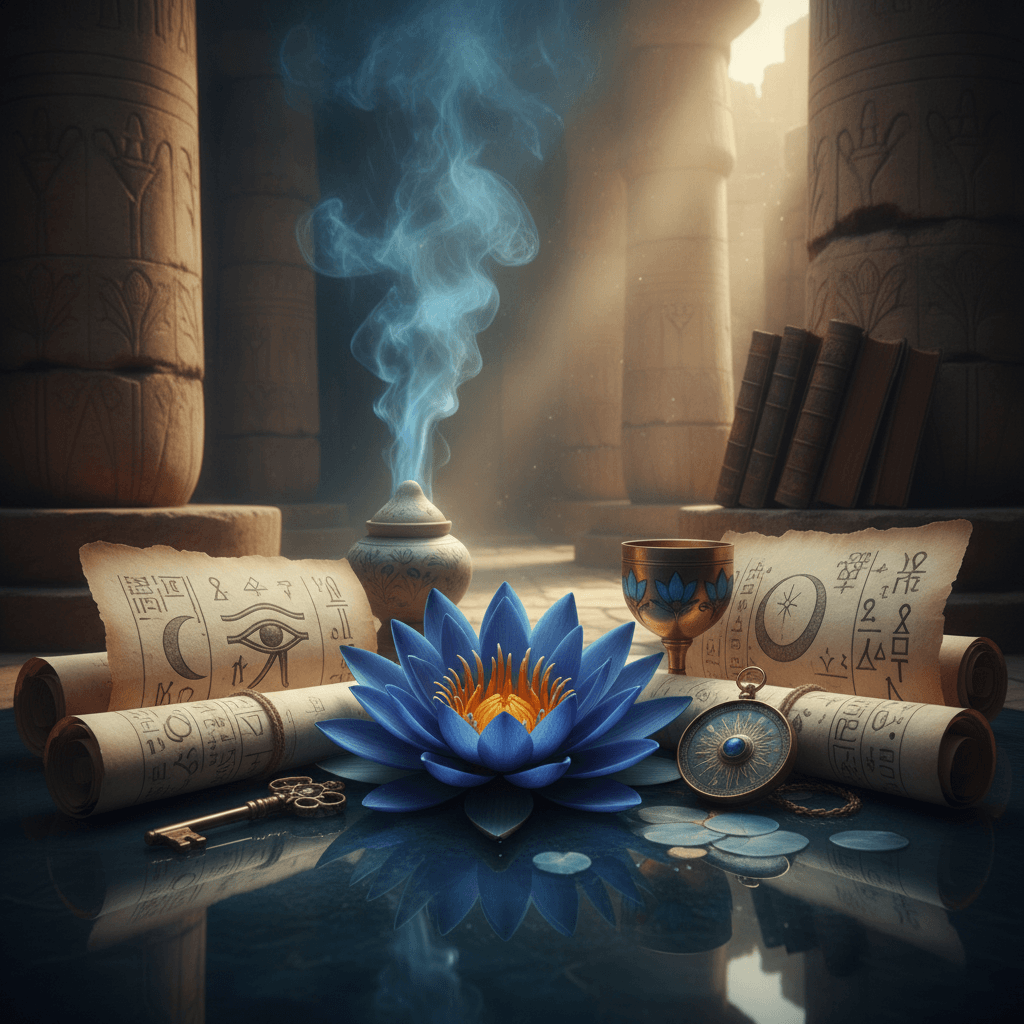
I have always been drawn to plants that hold deep historical and cultural significance. The blue lotus, a flower shrouded in mystique, is one such botanical wonder that has captured my interest. People have sought to understand its unique properties and meanings for thousands of years. This beautiful aquatic plant has left its mark on art, religion, and traditional medicine across various civilizations.
Exploring the blue lotus means diving into a rich tapestry of human history and botanical science. It is a plant that truly stands apart, not just for its striking appearance but also for the intriguing effects it has been said to possess. My goal is to share a clear and factual guide to these mysteries.
In this complete guide, I want to unpack what makes the blue lotus so special. We will look at its ancient past, its botanical characteristics, and the practical ways people have traditionally used it. Understanding this plant requires respect for its heritage and careful consideration of its effects.
Unveiling the Historical Significance of the Blue Lotus
When I think about the blue lotus, my mind immediately travels to ancient civilizations. This flower, scientifically known as Nymphaea caerulea, held a truly sacred place in many cultures. Its influence was particularly strong in ancient Egypt where it was revered for its beauty and its perceived psychoactive properties. It was often depicted in hieroglyphs artwork and religious ceremonies. This shows just how deeply integrated it was into their daily lives and spiritual beliefs.
The blue lotus ancient Egypt connection runs deep. It was seen as a symbol of creation rebirth and the sun. Many texts describe how the flower would close at night and reopen in the morning mirroring the rising and setting of the sun. This natural cycle made it a powerful metaphor for renewal and the afterlife in Egyptian mythology. They believed it could facilitate spiritual experiences and connection with the divine.
Archaeological findings frequently show images of pharaohs and nobles holding or smelling blue lotus blossoms. This suggests it was not just a decorative plant. It was likely used in rituals and celebrations to induce a state of mild euphoria or heightened awareness. We also find evidence of its presence in tombs, which further highlights its association with passage to the next life. Understanding these historical contexts is key to appreciating the blue lotus’s enduring appeal.
Decoding Ancient Symbolism and Ritual Use
The symbolic weight of the blue lotus extended far beyond just the sun and rebirth. I have seen evidence that it represented purity, beauty, and peace. Its appearance emerging from muddy waters without a blemish served as a powerful metaphor for spiritual enlightenment and overcoming adversity. This idea resonated deeply with ancient Egyptians and other cultures who valued inner transformation.
In ritualistic practices, the blue lotus was often infused into wine or brewed as a tea. These preparations were believed to enhance spiritual journeys or aid in meditation. The gentle effects were thought to help participants reach altered states of consciousness, allowing them to connect with their inner selves and the spiritual world. It was a tool for introspection and communal spiritual experience. My research shows that these uses were always approached with reverence and intention, marking the plant as truly special.
Botanical Characteristics and Natural Habitat of the Blue Lotus
As someone fascinated by nature, I find the botanical aspects of the blue lotus quite interesting. This aquatic plant belongs to the Nymphaea genus. It is often confused with other lotus varieties, but Nymphaea caerulea has distinct characteristics. The most striking feature is its vibrant blue petals which often have a delicate purple hue at their tips. The flowers are typically quite large and fragrant, releasing a sweet, almost intoxicating scent especially in the morning.
The plant thrives in specific environments. It naturally grows in still or slow-moving freshwater bodies like ponds, lakes, and rivers. Its leaves float on the surface of the water, and the flowers rise above them on sturdy stalks. Originally, the blue lotus was native to the Nile River in Egypt and other parts of East Africa. It has since spread to various tropical and subtropical regions around the world because of human cultivation and natural dispersion.
I have learned that the growth cycle of the blue lotus is quite remarkable. It typically blooms during the warmer months. Its flowers open in the morning light and close in the late afternoon or evening. This daily rhythm contributed to its symbolic association with the sun and cyclical regeneration in ancient beliefs. It is a resilient plant, adapting well to its aquatic surroundings and creating a stunning display when in bloom.
Cultivating Your Own Blue Lotus
For those interested in gardening, cultivating the blue lotus can be a rewarding experience. I often recommend it to people who have suitable aquatic environments. You need a sunny location with still water, like a pond or a large container. The plant needs rich, heavy soil at the bottom of the water body to anchor its roots.
You can start with seeds or rhizomes. Planting them in a pot filled with loam or clay soil before submerging them in water is a good method. Ensure the water temperature is consistently warm. With proper care, including adequate sunlight and nutrients, you can enjoy the beauty of these sacred flowers in your own space. It does take patience, but the sight of a blooming blue lotus is truly magnificent.
Understanding the Blue Lotus’s Unique Properties
What truly sets the blue lotus apart are the unique compounds it contains, which are responsible for its traditional effects. The primary active compounds I have learned about are aporphine and nuciferine. These alkaloids interact with neurotransmitters in the brain, leading to the mild psychoactive experiences often associated with the plant. It is important to understand that these effects are generally subtle. They are not like those of stronger hallucinogens.
People often describe the effects as a gentle sense of euphoria or well-being. Some also report enhanced dream states and a feeling of calm. The blue lotus has been traditionally used to promote relaxation, ease anxiety, and even act as a mild aphrodisiac. I have read accounts where users felt more connected to their surroundings and experienced a heightened sense of introspection. It is these delicate properties that made it valuable in ancient spiritual practices.
The experience can vary greatly from person to person. Factors like dosage, method of consumption, and individual body chemistry all play a role. I always emphasize that personal experiences can differ significantly. It is not a plant that produces intense altered states. Rather, it offers a more gentle and subtle shift in perception and mood. This is why it was often used in contemplative and ritualistic settings rather than purely recreational ones.
Traditional Preparation Methods and Their Effects
Traditionally, there were several common ways to prepare blue lotus. One popular method involved steeping the dried flowers in hot water to create a tea. I find this approach to be the most common way people try it today. The tea typically produces a relaxing and calming effect.
Another method, especially prominent in ancient Egypt, was to infuse the flowers in wine. The alcohol was thought to extract the active compounds more effectively, potentially leading to stronger effects. This combination was often used in social and ceremonial settings. It created a convivial atmosphere. I have also seen references to oils and tinctures being made, offering different ways to experience the plant’s properties. Each preparation method can influence the intensity and duration of the effects.
Safe and Responsible Use of Blue Lotus
When considering any plant with active properties, I always prioritize safe and responsible use. The blue lotus is no exception. While its effects are generally mild, understanding how to approach it is crucial. Dosage is a key factor. Starting with a low dose is always advisable, especially for first-time users. This allows you to gauge your individual reaction.
For tea, I recommend using about 3 to 5 grams of dried flowers per cup. For infusions in wine, the concentration can vary, but moderation is always best. It is important to remember that less is often more with botanical substances. Pushing the dosage can lead to uncomfortable effects like nausea or dizziness, even if they are temporary.
I also advise considering potential interactions. If you are taking any medications or have underlying health conditions, speaking with a healthcare professional before trying blue lotus is a wise step. There is limited scientific research on specific drug interactions, so caution is important. Pregnant or nursing individuals should also avoid using blue lotus. Always be informed about what you are consuming.
Legal Status and Sourcing Your Blue Lotus
The legal status of blue lotus varies widely depending on your location. In many places, it is perfectly legal to buy, sell, and possess blue lotus. However, some regions have restrictions or bans. I always encourage people to check their local laws before purchasing or using blue lotus. Ignorance of the law is never an excuse.
Sourcing blue lotus responsibly is also very important to me. Look for reputable vendors who can provide information about where their product comes from and how it is processed. Quality and purity can greatly affect your experience. Avoid sources that make exaggerated claims about its effects or that do not provide clear product information. Choosing a reliable supplier ensures you are getting a legitimate product and supporting ethical practices.
Incorporating Blue Lotus into Modern Wellness Practices
In today’s world, many people are looking for natural ways to enhance their well-being. I have noticed a growing interest in plants like the blue lotus for their potential to support relaxation and mindfulness. While it has ancient roots, the blue lotus can certainly fit into modern wellness practices when used thoughtfully. It offers a gentle alternative for those seeking calm without harsh effects.
One of the easiest ways I suggest incorporating blue lotus is through herbal teas. A warm cup of blue lotus tea in the evening can be a lovely ritual to unwind after a busy day. It can help quiet the mind and prepare for restful sleep. Some people also enjoy blue lotus tinctures, which are concentrated liquid extracts that allow for precise dosing. These can be taken sublingually or added to beverages.
Aromatherapy is another avenue I find appealing. The fragrant essential oil of the blue lotus can be diffused to create a serene and meditative atmosphere. Its sweet, floral scent is known to be uplifting and calming. Applying a diluted essential oil to pulse points can also offer a personal aromatic experience. Remember, quality of essential oils matters here. Always choose pure, therapeutic-grade options.
For those interested in its more traditional uses, the blue lotus can be a companion for meditation or contemplative practices. Its mild effects can sometimes help deepen focus and promote a sense of inner peace. It is not about escaping reality but rather about enhancing your connection to the present moment. I always emphasize mindful use. This involves setting an intention and being present with the experience. It is a way to honor the plant and its historical significance.
Conclusion: Embracing the Blue Lotus’s Enduring Legacy
The blue lotus has fascinated humans for millennia and its appeal continues to this day. From the sacred rivers of ancient Egypt to contemporary wellness circles, this beautiful flower holds a unique place. I have always been captivated by its dual nature as both a botanical marvel and a symbol of spiritual awakening. Its mild properties offer a gentle pathway to relaxation and introspection. This makes it a compelling subject for exploration.
Understanding the blue lotus means appreciating its historical context, botanical makeup, and traditional applications. It is not a magic bullet. Instead, it is a plant that invites mindful engagement and respect. I believe that by learning about its journey through history and its subtle effects, we gain a deeper appreciation for the natural world. We also understand the diverse ways plants have influenced human culture and consciousness.
If you are considering exploring the blue lotus, I encourage you to do so with an open mind and a commitment to responsible use. Research your sources carefully, respect local laws, and always listen to your body. Embrace the opportunity to connect with a plant that has inspired art, devotion, and tranquility across generations. Its mysteries may be gentle, but its legacy is powerful. Continue to learn and grow as you explore these ancient botanical wonders.